
What’s the difference between a marine radio and a normal radio?
Here are the key differences between a marine radio (often used on boats/ships) and a “normal” land-based two-way radio (or general-purpose radio).
What is a marine radio?
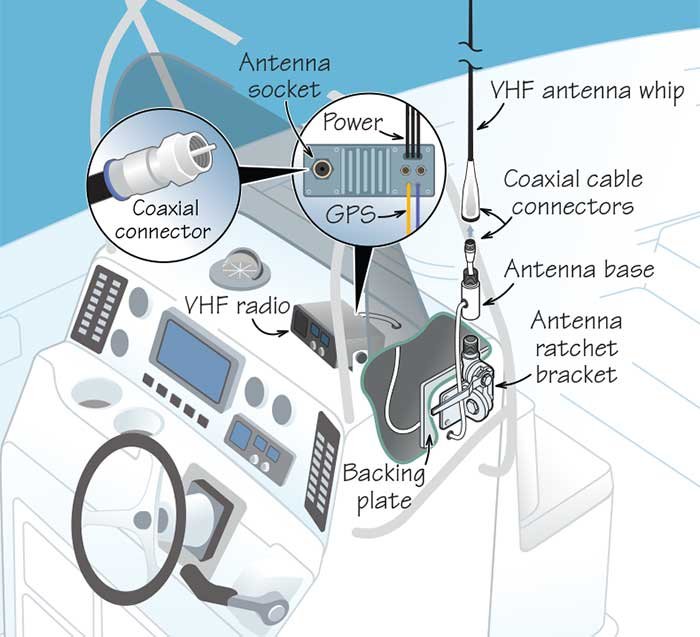
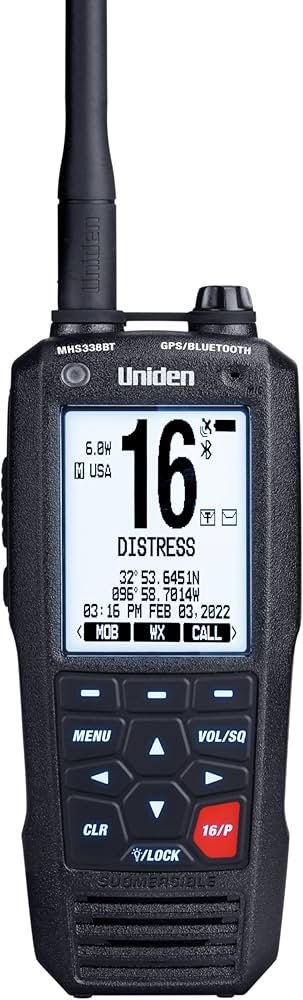
- A marine radio (for example a VHF marine radio) operates in the specific maritime mobile band (for example 156–174 MHz for VHF marine) used for ship-to-ship, ship-to-shore and other marine communications.
- It is built for use on the water: features may include waterproofing, corrosion resistant materials (salt water), floating capability for handheld versions, large clearly-marked buttons, built-in distress/emergency features.
- It supports specific marine-communication functions: e.g., designated distress/safety channels (such as VHF channel 16 in the U.S.), digital selective calling (DSC) for distress with GPS position, connection with shore stations, “ship station” licenses in some cases.
- Because it’s used at sea (where communications are more critical and the environment harsher), aspects like antenna placement (high point), transmit power for range, proper wiring and grounding are more significant.
What is a “normal” radio (general two-way or land-based radio)?
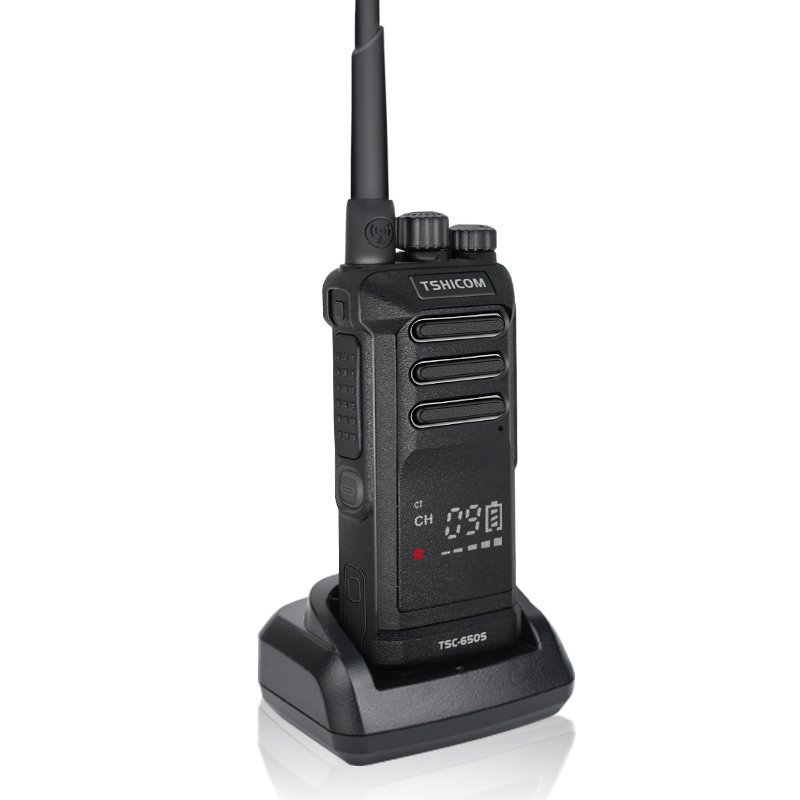
- A typical land-use two-way radio (walkie talkie, business/industrial radio, amateur radio, etc) is designed for use on land – offices, factories, events, outdoor recreation – and may not have the ruggedness or specialized features needed for marine conditions.
- It may operate on different frequency bands (UHF, VHF, license-free bands like FRS/GMRS, or amateur bands) with different channelization, power limits, licensing.
- It likely lacks marine-specific features such as distress-call integration, designated marine channels, sealed/corrosion proof construction, floating capability, integration with marine navigation/antenna systems, or license/environment compliance for maritime use.
- The operational environment is usually less harsh (no salt water spray, less extreme sun/UV exposure, more easily fixed or replaced) so the radio’s design may not account for those factors.
Comparison: Key Differences
| Feature | Marine Radio | Normal Land/General Radio |
|---|---|---|
| Frequency & Channels | Uses marine mobile bands (e.g., VHF marine 156-174 MHz) and marine-specific channels (distress, calling, vessel traffic) | Uses land/industrial/consumer bands (e.g., UHF business, FRS/GMRS, amateur) with different channel plans |
| Environment & Build | Designed for boat/sea: waterproof or water-resistant, corrosion/salt‐proof, often floating handheld versions, large buttons, bright display for sun, antenna optimized for marine use | Designed for general land use: may not have marine‐proofing, may degrade quickly in salt/corrosion environment (as users note) |
| Safety & Special Features | Includes features like Digital Selective Calling (DSC) to send distress alerts with GPS position, dedicated distress/safety channels (e.g., VHF channel 16) | Typically does not include marine safety features; channels intended for general voice use; land radios seldom integrate with vessel-safety systems |
| Range & Antenna/Installation | On marine radio, good antenna installation and orientation matter a lot; may transmit up to 20-25 miles (or more) for VHF marine in ideal conditions. | Land radios vary widely: many are short-range (a few miles) depending on power, environment, antenna; less strict mounting/antenna installation requirements |
| Licensing & Regulation | Marine radio use is subject to maritime communications regulations (e.g., radio watch obligations, use of distress channels, may need MMSI number, ship station license in some cases) | Land two-way radios may be license‐free (e.g., FRS) or require different kind of license (e.g., business radio, ham radio) but the marine regulation context does not apply |
| Use Cases | Primarily for vessel safety, ship-to-ship/shore communications, navigation support, distress/rescue operations | Primarily for land‐based communications: business coordination, recreation, amateur use, etc |
Why this matters (especially for your business as a supplier/manufacturer)
Since you supply walkie-talkies and are a two-way radio manufacturer, but let’s assume you might also supply communication devices — understanding the difference will help in the following ways:
- If you supply radios intended for marine use, you’ll need to ensure the devices meet marine-specification standards (waterproof, salt-resistant, floating if handheld, proper antenna planning, built-in DSC etc).
- If you supply “normal” radios, you should caution customers that those may not be suitable for marine/sea/boat use due to environmental durability and lack of marine-specific channels/features/regulation compliance.
- Regulatory compliance: For marine radios you’ll need to consider maritime communication regulations (including MMSI, distress channels) which may differ by region/country.
- Marketing: Promoting a radio as “marine grade” adds value (higher cost, more features) but you must ensure those features are genuine rather than just cosmetic (e.g., some “marine” stereos or radios are basically land-radios in white casings).