Can civilians use VHF radios?

Can civilians use VHF radios?
Can civilians use VHF radios? What you need to know

Very High Frequency (VHF) spans roughly 30–300 MHz and is widely used for maritime, aviation, business, and emergency radio transmissions.

In the U.S.:

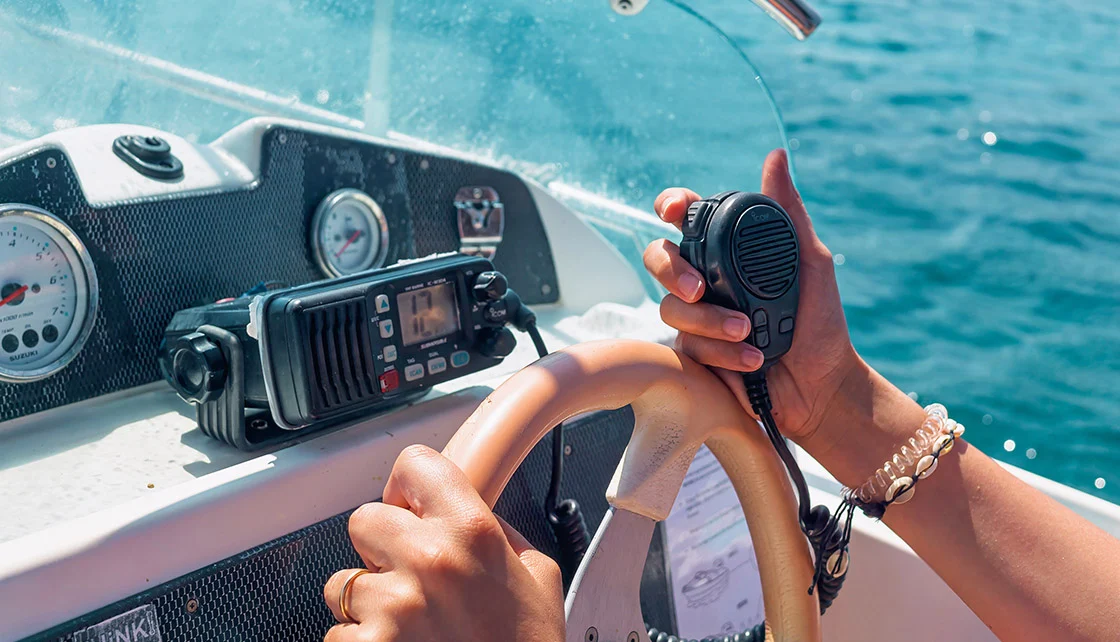
  • Recreational boaters on vessels not required by law to carry marine radios (e.g. pleasure craft under ~65.5 ft) may operate a marine‑VHF radio without a ship station license.
  • However, use beyond domestic waters—such as international voyages—or installation on larger or commercial vessels triggers licensing requirements: a Ship Station License and individual operator permit (Restricted Radiotelephone Operator Permit) are then mandatory (navcen.uscg.gov).
  • Operating a marine VHF radio on land is illegal unless you hold a separate marine utility station license and show justification for land‑based communication.

Other VHF services for civilians:

  • Multi‑Use Radio Service (MURS): A license‑by‑rule service in the VHF range permitting unlicensed personal or business use at up to 2 W on specific channels (151–154 MHz).
  • Family Radio Service (FRS): UHF (~462–467 MHz), not actually VHF, but used similarly for license‑free short‑range communications; relevant as an alternative for everyday civilian use.

Key compliance reminder:
Every radio service has its own rules on power limits, antenna type, and permitted applications. Civilian users should never transmit on marine VHF channels from land without the proper license—doing so risks FCC fines, equipment confiscation, and legal penalties.


If you’re a civilian looking to use VHF for boating or business, here’s a quick checklist:

ScenarioLegal to Use?Licensing Required?
Recreational marine VHF, U.S. domestic waters✅ Yes❌ No
Marine VHF outside U.S. or international waters❌ No✅ Yes (ship + operator)
Operating marine VHF from land❌ No✅ Yes (utility license)
Using MURS VHF radio✅ Yes❌ No (licensed‑by‑rule)

Looking for compliant VHF or two‑way radio solutions for your business or recreational needs? Fill out our inquiry form today to get tailored help with equipment selection, licensing guidance, and complete communications setup options. Let’s ensure you stay legal, connected, and confident on the air!

Similar Posts

  • What is Shortwave Radio?

    Shortwave Radios: Communicating Beyond the Horizon Imagine sending a voice message hundreds or even thousands of kilometers without relying on cell towers, satellites, or the internet. This is the remarkable capability of the shortwave radio, also known as an HF (High Frequency) transceiver or HF radio. Operating in the 3 MHz to 30 MHz frequency…

  • 2016 Two-Way Radios for Oil and Gas Field

    2016 Two-Way Radios for Oil and Gas Field Operations: A Complete Guide In the oil and gas industry, reliable communication isn’t optional—it’s essential. Field workers operate in remote locations, hazardous environments, and high-risk conditions where immediate coordination can prevent accidents and save lives. Even in 2016, specialized two-way radios were engineered to meet strict safety…

  • How Far Can a Police Radio Reach?

    What Determines Police Radio Range? Police departments typically use VHF (Very High Frequency) or UHF (Ultra High Frequency) two‑way radios. The distance that these radios can communicate depends on many factors: frequency, power, antenna height, terrain, and whether a repeater is used. Typical Range Without a Repeater When police officers use their handheld radios without…

  • Do Walkie-Talkies Require a License?

    Walkie-talkies are a convenient way to communicate over short distances, but whether you need a license depends heavily on the type of radio you’re using, the frequencies it operates on, and the regulations in your country. Below, we’ll break down the major scenarios and rules, especially focusing on U.S. regulations as well as a look…

  • Which industries should avoid PoC completely?

    Here’s a clear, practical guide to which industries or use-cases should avoid relying on standard PoC (Push-to-Talk over Cellular) systems, and why — drawing on real market data and technology limitations: 🚫 Industries / Use-Cases Where PoC Is Not a Good Fit 1️⃣ Mission-Critical Public Safety (Primary System Only) Examples: Why avoid PoC as the…

  • Can I Listen to Police Radio Frequencies?

    Many people are curious about tuning into police radio channels to hear real-time law enforcement activity. While it sounds exciting, there are important legal and technical factors to consider. Is It Legal? In the U.S., listening to police radio communications is generally legal if you’re only listening. However: Always check your local laws before attempting…