
Two Way Radio Solution for Public Safety
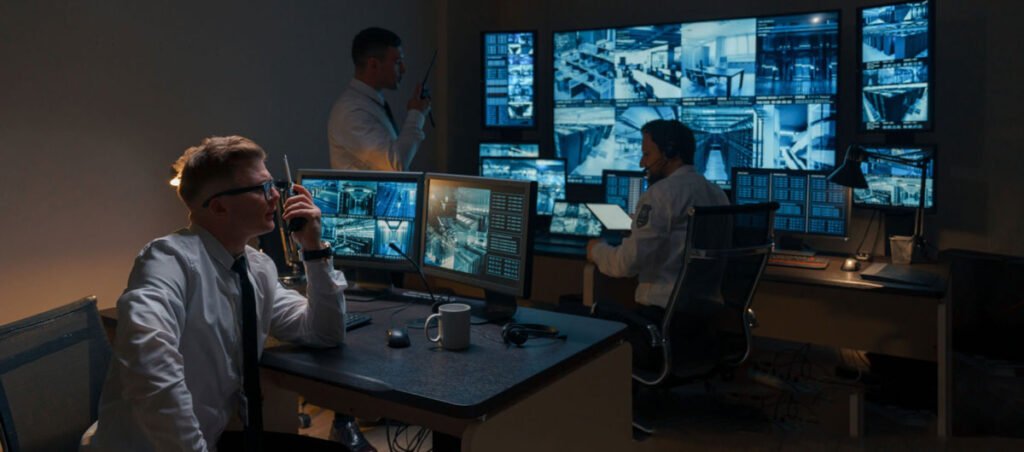
Reliable communication is the cornerstone of effective public safety operations. Whether it’s coordinating a rescue during a natural disaster, responding to a medical emergency, or managing a crowd at a large public event, clear and immediate communication can mean the difference between life and death.
Two way radio solutions for public safety offer a lifeline between dispatchers and field personnel. They ensure that information flows in real time, helping agencies respond faster, collaborate better, and stay safer. Unlike cell phones, which can become overloaded or fail during emergencies, two way radios provide dedicated, uninterrupted communication channels tailored for critical missions.
Understanding the Needs of Public Safety Agencies
Public safety encompasses a wide range of services: law enforcement, fire departments, emergency medical services (EMS), disaster response teams, and more. Each of these sectors faces unique communication challenges:
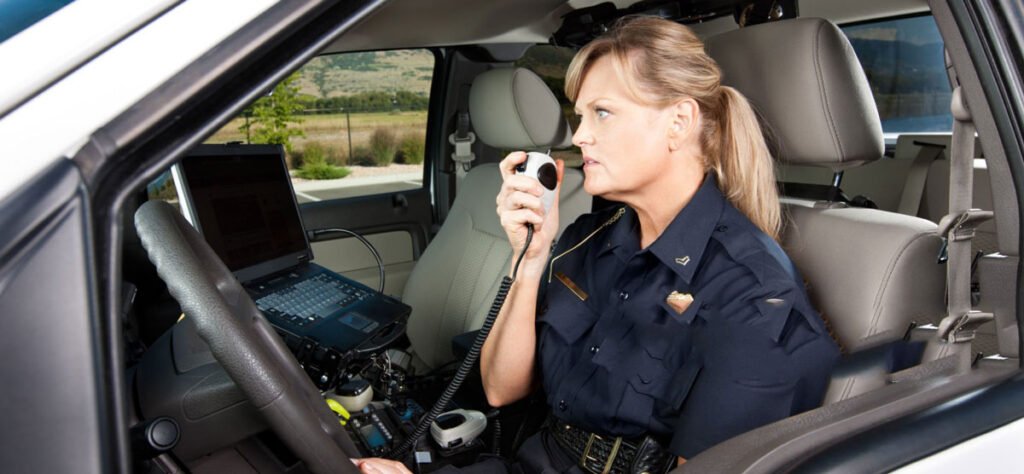
- Police departments need encrypted channels to ensure confidentiality during tactical operations.
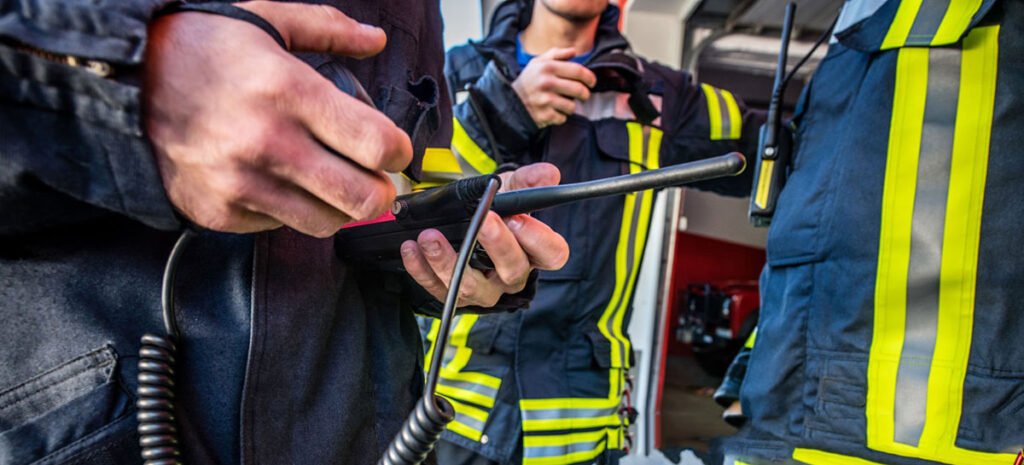
- Firefighters often operate in hazardous environments with high noise levels and require rugged devices with superior audio clarity.
- EMS professionals rely on instant communication to coordinate patient care between field and hospital teams.
A comprehensive two way radio solution must address these unique demands with precision and reliability.
What is a Two Way Radio Solution?
A two way radio solution goes beyond just the handheld device. It encompasses:
- Portable or mobile radios
- Infrastructure (repeaters, base stations, towers)
- Software and dispatch systems
- Encryption and frequency management tools
- Ongoing support and training
It’s a scalable ecosystem that ensures end-to-end communication—secure, resilient, and customizable for specific public safety workflows.
Core Features of an Ideal Public Safety Radio System
Here are the essential features that define a mission-critical two way radio system:
- Rugged Design: Withstand drops, water, extreme temperatures.
- Long Battery Life: Operate through extended shifts.
- Loud and Clear Audio: Overcome sirens, alarms, and noisy environments.
- Encryption: Protect sensitive information from eavesdropping.
- Emergency Buttons: Instantly notify control centers of distress.
- Remote Monitoring: Keep track of personnel and assets.
Types of Two Way Radios Used in Public Safety
Public safety professionals use a variety of radio types based on their roles:
| Radio Type | Description |
|---|---|
| Handheld Radios | Lightweight, portable, ideal for patrols and foot responders |
| Mobile Radios | Installed in vehicles, offer higher power and range |
| Base Stations | Fixed units used at dispatch centers or command posts |
| Repeaters | Boost signal across longer distances or in rugged terrain |
Each radio type plays a strategic role in keeping the communication network seamless and efficient.
Analog vs. Digital Two Way Radios
Analog Radios:
- Simple to use
- Lower cost
- Good for short-range communication
Digital Radios:
- Superior sound clarity
- Enhanced privacy features
- Better battery efficiency
- Support for apps like GPS tracking and text messaging
Digital radios—especially those meeting P25 or DMR standards—are fast becoming the norm in public safety due to their reliability and expandability.
The Role of Frequency Bands: VHF, UHF, and 700/800 MHz
Understanding the frequency spectrum is vital:
- VHF (Very High Frequency): Best for outdoor or rural environments with fewer obstructions.
- UHF (Ultra High Frequency): Works well indoors or in urban areas with many buildings.
- 700/800 MHz Bands: Often used by public safety agencies for wide-area communication due to their ability to penetrate concrete and offer extended coverage.
Agencies should choose frequencies based on their geographic and operational needs.
P25 and DMR Standards in Public Safety
- Project 25 (P25): A suite of standards specifically for public safety digital radio systems. Ensures interoperability between agencies and vendors.
- Digital Mobile Radio (DMR): Widely used globally, offering scalable and cost-effective digital communication.
Both standards improve voice clarity, support encryption, and are designed to work seamlessly in high-stress environments.
Interoperability Between Agencies
Imagine a large-scale disaster involving multiple agencies—fire, EMS, police, and military. Without interoperability, communication would be chaotic. That’s why choosing a radio system that supports multi-agency integration is non-negotiable.
Features supporting interoperability include:
- Common frequency standards (like P25)
- Crossband repeaters
- Shared dispatch systems
This ensures a unified response when it matters most.
Security and Encryption in Public Safety Radios
Cybersecurity isn’t just for computers. In public safety, radio communications must also be secure:
- AES 256-bit encryption
- User authentication
- Channel access restrictions
- Over-the-air rekeying (OTAR)
These features prevent unauthorized access, protect sensitive operations, and safeguard field officers from information leaks.
Integration with Other Public Safety Technology
Modern two way radio solutions can integrate with:
- GPS for live tracking
- Body-worn cameras for incident documentation
- Computer-Aided Dispatch (CAD) systems
- Incident Command Software
This creates a unified digital ecosystem where data and voice communication support each other for enhanced situational awareness.
Choosing the Right Two Way Radio Provider
Look for a vendor that offers:
- Experience with public safety agencies
- On-site system design and installation
- Ongoing training and maintenance support
- Flexible service contracts and upgrade paths
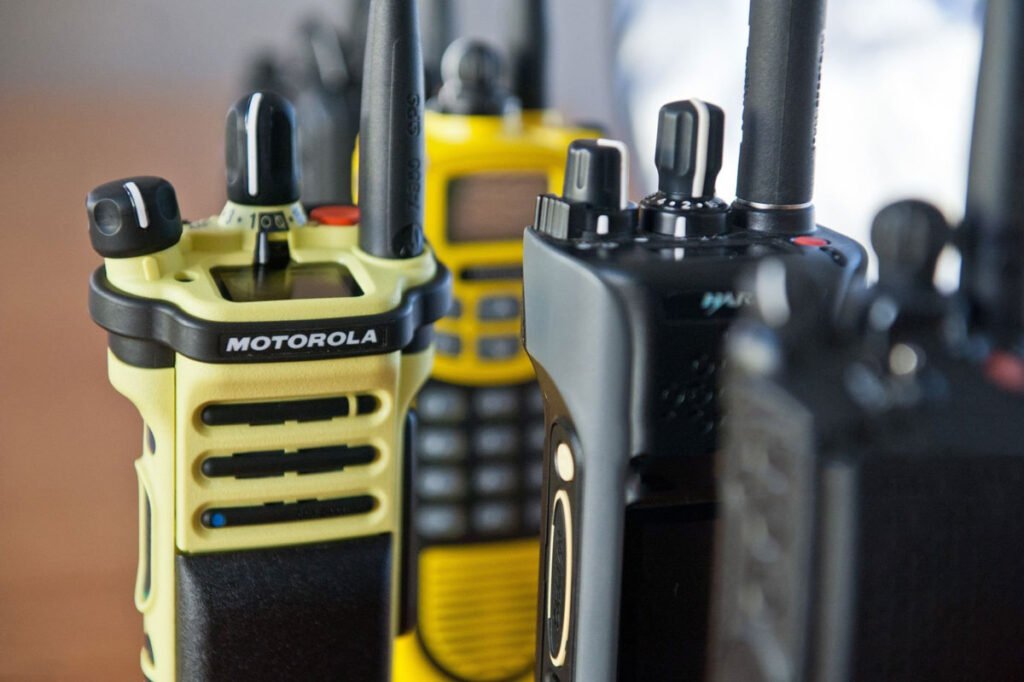
Top brands include Motorola Solutions, Kenwood, TSHICOM, and Hytera—each with a reputation for quality and innovation.
Cost Considerations and Budget Planning
A good radio system is an investment. Here’s how to plan:
- Initial Equipment Cost: Radios, infrastructure, installation
- Operational Costs: Licenses, maintenance, batteries
- Grants and Funding: Many federal and state programs help offset costs (e.g., Homeland Security Grant Program)
Balancing budget with functionality ensures long-term ROI.
Training and Maintenance
Even the best equipment is ineffective without proper training. Ensure your team is familiar with:
- Radio protocols and etiquette
- Emergency features
- Maintenance checks
- Firmware updates
Regular inspections, software patches, and user refreshers are crucial for system reliability.
Real-World Case Studies: Two Way Radios in Action
Wildfire Response – California:
During a massive wildfire, multiple fire crews from different counties coordinated using interoperable digital radios. Real-time communication between air and ground teams helped contain the blaze quickly.
Marathon Security – Boston:
Police and EMTs used encrypted radios with GPS tracking to monitor crowd safety and respond instantly to medical needs.
Hurricane Relief – Florida:
Cell towers failed, but mobile repeaters and P25 radios kept communication lines open for National Guard and FEMA teams.
Frequently Asked Questions
1. Why are two way radios better than smartphones for public safety?
Two way radios offer dedicated communication channels, work in remote areas without cell service, and provide instant voice connection without dialing.
2. What’s the difference between P25 and DMR radios?
P25 is mainly used in North America for public safety; DMR is a global digital standard with more commercial and industrial use but can also be used for emergency services.
3. How can agencies secure their radio communication?
By using radios with strong AES encryption, secure channel access, and user authentication protocols.
4. What is the lifespan of a typical public safety two way radio?
With proper maintenance, radios can last 7–10 years. Regular updates and battery replacements help extend their usability.
5. Can different agencies use the same radio system?
Yes, with interoperable systems like P25 or cross-compatible infrastructure, multiple agencies can share the same communication platform.
6. Are there funding options for public safety radio systems?
Yes. Agencies can apply for grants like the DHS Homeland Security Grant Program or FEMA funds to cover partial or full costs.
Building a Reliable Communication Backbone for Safety Teams
In the realm of public safety, communication is power—and two way radios remain the most trusted tool in the field. A well-designed two way radio solution for public safety ensures your team stays connected, coordinated, and secure, even in the most challenging conditions.
As technology evolves, so too do the capabilities of these systems. By choosing the right solution, training your team, and maintaining your equipment, you’re not just investing in tools—you’re protecting lives.
If you’re looking for a reliable, professional, and tailored two way radio solution for public safety, there’s no better time to act.
We provide end-to-end communication solutions for all types of public safety agencies, including equipment selection, system integration, technical support, and hands-on training.
✅ Free Consultation
✅ Expert Technical Assessment
✅ Custom-Tailored Radio Solutions
📩 Fill out the form below, and one of our radio communication specialists will contact you within 24 hours to design a solution that fits your agency’s exact needs.